
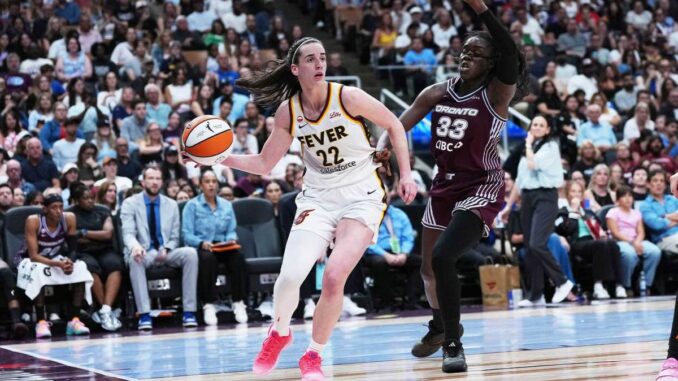
Caitlin Clark’s rise has already transformed the Indiana Fever into one of the most closely watched teams in the WNBA. But if the superstar guard ultimately wins the league’s Most Valuable Player award, the achievement could create a major challenge for Indiana that goes far beyond the celebration. An MVP season would be an incredible individual accomplishment, but it could also change expectations, finances, roster decisions and the pressure surrounding the franchise.
 Clark’s importance to the Fever is impossible to ignore. Since entering the WNBA, she has become the centerpiece of Indiana’s long-term plans, while her performances have attracted enormous attention from fans and the wider basketball world. Winning MVP would further strengthen her status as one of the league’s defining players and could raise expectations for the Fever almost immediately.
The first potential problem would be expectations. Once a player wins MVP, anything less than championship contention can suddenly feel like disappointment. Indiana could enter the following season under significantly more pressure, with opponents treating every game against the Fever as a major event and developing defensive strategies specifically designed to slow Clark.
There could also be increased pressure on the Fever’s front office to build a championship-caliber roster around her. An MVP-caliber player needs a supporting cast capable of competing at the highest level. Indiana could therefore face difficult decisions regarding free agents, trades, contracts and the development of younger players as the organization attempts to maximize Clark’s prime years.
Another challenge could come from the financial side of the business. Clark’s MVP success would likely increase her commercial value even further. While that would be fantastic for the franchise and the WNBA, it could also create complicated decisions surrounding contracts, endorsements and roster spending. Indiana would need to balance rewarding its superstar while maintaining enough flexibility to surround her with quality talent.
There is also the possibility of greater attention from opposing teams. Clark already receives tremendous defensive attention, and an MVP award could make that even more intense. Teams would have even more incentive to deny her the ball, force difficult shots and make every possession physically demanding. Indiana would need to develop additional offensive options so that Clark does not have to carry an unreasonable workload.
Her MVP victory could also change the way teammates are evaluated. Players around Clark might suddenly face greater expectations because they are viewed as pieces of an MVP-led championship project. If Indiana struggles, questions could quickly emerge about whether the supporting cast is good enough, whether the coaching system is working and whether the roster needs major changes.
The pressure would not be limited to Clark and her teammates. Head coach, executives and ownership could all find themselves under increased scrutiny. Every decision involving playing time, rotations, trades and free agency would receive more attention. A disappointing postseason could produce difficult questions about whether the Fever are doing enough to take advantage of having an MVP-level superstar.
However, there is another side to the situation. An MVP award could be exactly the catalyst Indiana needs to attract more elite talent. Players around the league could become increasingly interested in joining a team led by Clark, particularly if the Fever establish themselves as a serious championship contender. In that sense, the problem could ultimately become an opportunity.
Clark winning MVP would also raise the profile of the entire Fever organization. More national broadcasts, bigger crowds, increased merchandise sales and greater sponsorship interest could follow. Indiana would need to ensure that its infrastructure, marketing strategy and basketball operations are prepared for the enormous attention that comes with having one of the sport’s biggest stars.
Ultimately, the biggest challenge would be turning individual greatness into team success. MVP awards recognize individual excellence, but championships require depth, chemistry, health, coaching and consistency. If Clark reaches MVP level while Indiana remains short of the title picture, the pressure to make dramatic improvements could become enormous.
For Fever fans, however, this is the kind of problem a franchise would gladly accept. Having a player capable of winning MVP means Indiana has a foundation that many teams spend years searching for. The responsibility now would be to make the right moves around Clark and ensure her individual success translates into sustained success for the entire organization.
If Caitlin Clark does lift the MVP trophy, the celebration in Indiana could be enormous—but so would the expectations that follow. The Fever would no longer simply be viewed as a young team building toward the future. They would be expected to compete at the highest level immediately, making an MVP season potentially both a historic achievement and the beginning of a completely new e ra of pressure in Indiana.
Leave a Reply