
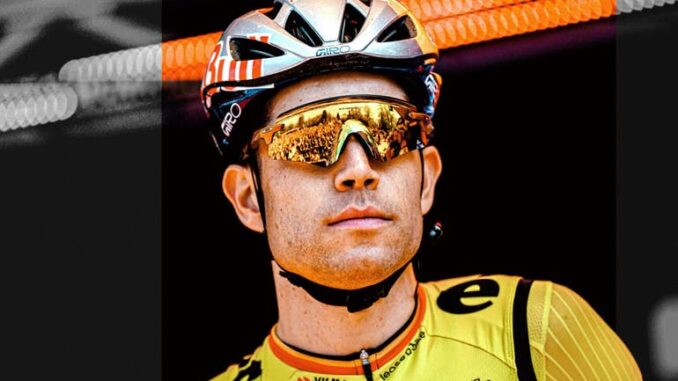
Wout van Aert has opened up about his return to top form, his mindset after injury, and his evolving perspective on professional cycling in a candid new interview that has captured the attention of fans across the sport. Speaking with refreshing honesty, the Belgian star reflected on what it took to recover from a difficult few months on the sidelines, the pride he still feels after his best performances, and the lessons he believes cycling can take from other major sports, particularly the NBA. For a rider long regarded as one of the most versatile talents in the modern peloton, Van Aert’s words offered a glimpse into both his resilience and his hunger for the challenges ahead.
Van Aert admitted that being forced to step away due to injury earlier this year was one of the toughest experiences of his career. Known for his relentless training ethic and ability to compete across multiple disciplines, from road racing to cyclocross, he confessed that patience did not come naturally. “The hardest part was accepting that I couldn’t push like I used to,” he said. “When you’re injured, your body is telling you to stop, but your mind keeps wanting to train, to improve. It’s frustrating because you know what you’re capable of, but you have to rebuild everything slowly.” The Belgian star credited his family, team doctors, and coaches at Visma–Lease a Bike for helping him stay grounded and focused during the long recovery process.
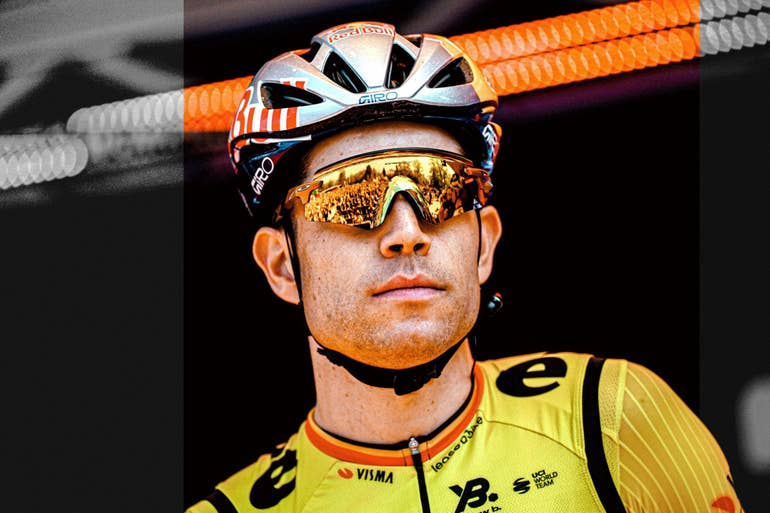
One of the most talked-about moments in Van Aert’s recent racing history remains his stunning performance against Tadej Pogačar — an episode he still recalls with a mixture of pride and disbelief. Reflecting on that day, when he managed to drop the Slovenian superstar on a brutal climb, Van Aert said it was a reminder of what happens when hard work and instinct align perfectly. “It’s one of those moments where everything just clicks,” he explained. “Pogačar is one of the best riders we’ve ever seen, so to drop him, even for a moment, means you’ve reached an incredible level physically and mentally. But it’s not about beating him; it’s about knowing you can challenge the very best and hold your own.”
Now fully recovered, Van Aert says he feels more balanced than ever — not only physically but also mentally. He’s shifted his approach to racing, focusing more on long-term performance rather than constant short-term success. “Before, I was obsessed with results,” he admitted. “Every race felt like it had to be perfect. But after my injury, I learned to appreciate the process more. If I feel good, if I ride smart, the results will follow naturally. I’ve learned to listen to my body and trust the work we put in as a team.”
In the interview, Van Aert also shared a broader reflection on the structure and culture of professional cycling, suggesting that the sport could learn from how the NBA treats its athletes. He highlighted the importance of player welfare, long-term development, and creative marketing strategies that put athletes at the center of their sport’s storytelling. “The NBA understands how to build stars without burning them out,” Van Aert said. “Cycling is still very traditional in some ways. We race a lot, maybe too much. There’s not enough recovery, not enough emphasis on the personalities that make the sport exciting. If cycling can learn to showcase its athletes better, like the NBA does, it will attract more fans and sponsors.”
His remarks have resonated deeply within the cycling community, sparking discussions about scheduling, athlete health, and the future of the sport’s global appeal. Many fans praised Van Aert’s willingness to speak openly about the pressures riders face and his desire to see cycling evolve without losing its identity. At the same time, his comments about marketing and media engagement have drawn interest from team managers and sponsors who recognize the growing need to modernize the sport’s image.
Looking ahead, Van Aert is clear that he still has major ambitions left to achieve. He has his sights set on reclaiming dominance in both the Spring Classics and key stages of the Grand Tours, while also continuing to compete in cyclocross at the highest level. But for all his competitiveness, the Belgian insists that his perspective has matured. “I used to think only about winning,” he said. “Now, I think about how to build a legacy — not just with results, but by how I race, how I represent my team, and how I inspire others. That’s what matters most now.”
As the interview concluded, Van Aert reflected on how much the sport has given him — and how much he still wants to give back. His determination, humility, and vision for a more athlete-centered cycling world reminded fans why he remains one of the most admired figures in the peloton. Whether he’s dropping the likes of Pogačar, coming back from injury, or pushing for a brighter future for the sport, Wout van Aert continues to embody the spirit of resilience and innovation that defines modern cycling.
Leave a Reply