
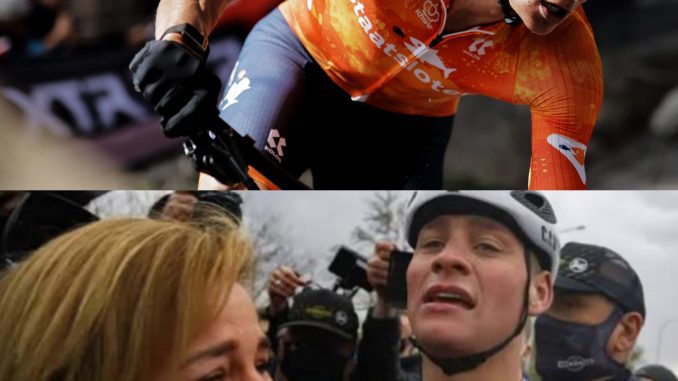
Former Vuelta a España champion Chris Horner has opened up about his own experiences with pain, performance, and recovery, expressing deep sympathy for Tour de France winner Tadej Pogačar, who has reportedly been struggling with lingering injuries and exhaustion following an intense racing season. In a recent interview, Horner reflected on the physical and mental toll of elite cycling, admitting that during his own career, when tramadol was still legal, he relied on it heavily to manage pain — a decision he now looks back on with mixed feelings.
“Back then, tramadol was legal, and I used it a lot,” Horner said candidly. “You’d crash, you’d get up the next morning, and you’d still have to perform. You’re not thinking about long-term health — you’re thinking about the next stage, the next climb, the next finish line. That’s how cycling was, and in many ways, still is.” His words shed light on the brutal demands professional riders endure and the mental strain that comes with maintaining top form across grueling multi-week races.

Horner’s comments come amid growing concern over Pogačar’s physical condition after the Slovenian star appeared visibly drained during several recent races. Despite his unmatched consistency and relentless dominance, those close to Pogačar have hinted that his body and mind may be reaching a point of burnout. His mother, in a rare public statement, expressed a sentiment that resonated deeply with fans: “Sometimes we wish he’d slow down,” she said softly. “He’s been pushing so hard for so long. Maybe it’s time for a sabbatical — time to rest, to breathe, to just be Tadej again.”
The remark struck a chord across the cycling community. For years, Pogačar has been the embodiment of limitless talent and determination, conquering mountain stages and time trials alike with a smile and a fearless attitude. But behind the triumphs lies a human being facing immense pressure — from teams, sponsors, and fans — to maintain near-impossible standards. “When you’re that good, people forget you’re still human,” Horner added. “They expect perfection every time. But perfection doesn’t come without pain. I’ve seen what constant racing does — it breaks you down, piece by piece.”
The cycling world has evolved since Horner’s days, with stricter medical guidelines and a greater emphasis on rider welfare. However, the relentless competition schedule and financial stakes continue to make it difficult for top riders to take breaks without scrutiny. Pogačar, who has raced nearly year-round for several seasons, faces the same dilemma: rest and risk losing momentum or keep pushing and risk his health.
According to team insiders, Pogačar has been dealing with recurring back and knee discomfort since early spring but has continued competing through pain to meet expectations. Though he remains outwardly optimistic, those close to him have noticed signs of fatigue — both physical and emotional. “He’s been running on sheer willpower,” a source said. “Even when he’s hurting, he doesn’t want to let anyone down. That’s the kind of athlete he is. But it’s not sustainable forever.”
Chris Horner’s public sympathy for Pogačar underscores how much the sport has changed — and how much it still needs to change. “We used to hide pain,” Horner admitted. “You didn’t talk about injuries. You just popped a pill, taped up your knee, and got on the bike. Looking back, I wish we’d been more open about it. What Tadej is going through is real — and it’s okay to say, ‘I need to step back.’ That doesn’t make him weaker. It makes him smarter.”
Fans have rallied behind the idea of a possible sabbatical for the Slovenian star, with many on social media urging his team, UAE Team Emirates, to prioritize his recovery over results. “We want to see him win more Tours,” one supporter wrote, “but we’d rather see him healthy and happy than broken chasing another podium.”
Pogačar’s mother’s heartfelt words have added a deeply human layer to the story — a reminder that behind the jerseys, trophies, and global fame is a son, a friend, and a person who has carried the weight of immense expectations since his teenage years. “Tadej loves cycling more than anything,” she said. “But every person has limits. If he needs to rest, he will come back stronger. We believe in that.”
While no official announcement has been made regarding a potential break, those around Pogačar insist that any decision will prioritize his long-term well-being. “He’s got nothing left to prove,” Horner concluded. “He’s already one of the greatest talents the sport has ever seen. But the greatest thing he could do right now might not be to win another race — it might be to rest, recover, and remember why he fell in love with cycling in the first place.”
As the cycling season winds down, speculation continues to swirl about whether Pogačar will step away, even briefly, to regroup. Regardless of what happens next, one thing is clear: his story — and the compassion shown by figures like Horner — has reignited an important conversation in cycling about pain, pressure, and the courage it takes not just to race, but to stop.
Leave a Reply